Physical Address
Market Street , Kamokya KAMPALA
Physical Address
Market Street , Kamokya KAMPALA
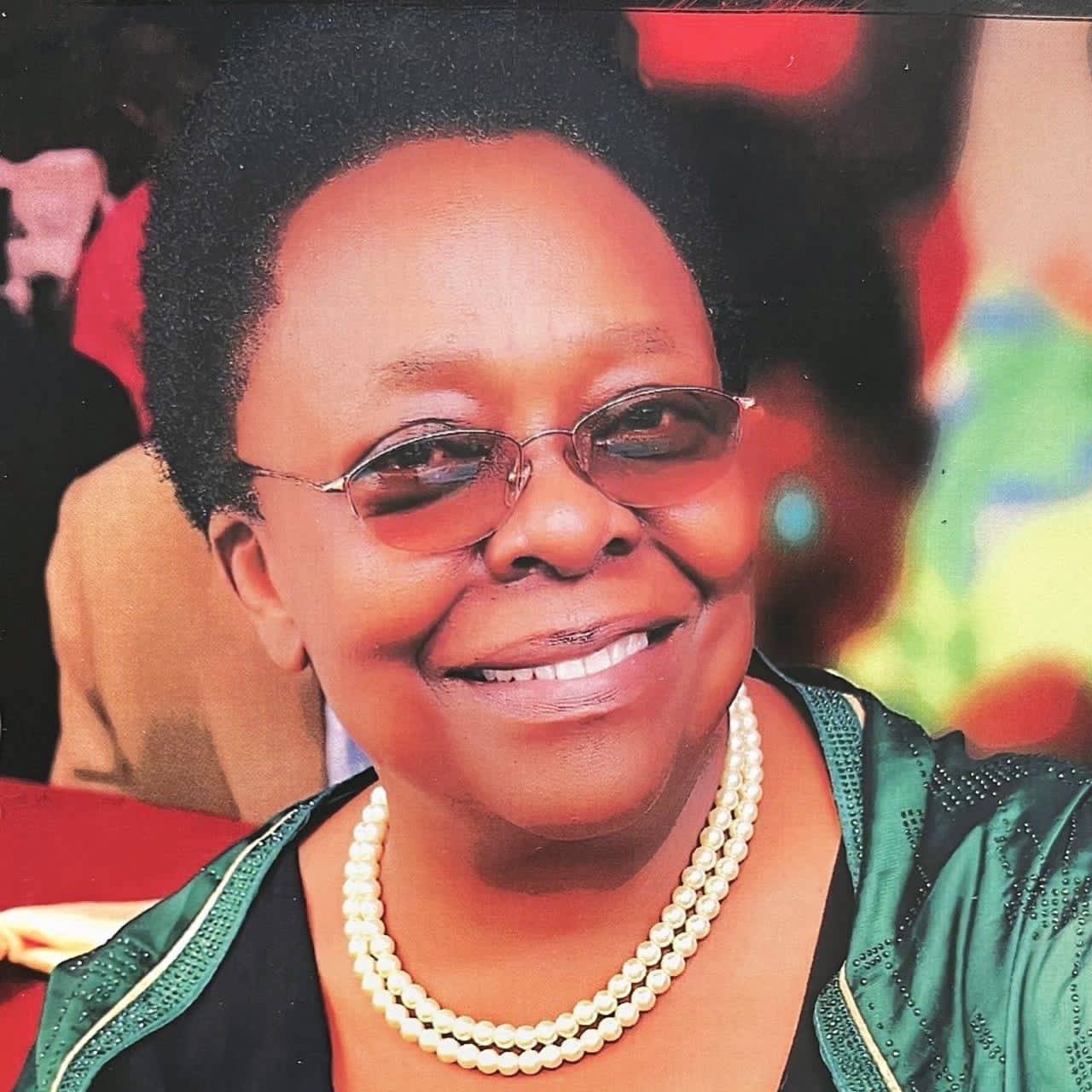
*Fellow Ugandans*
The reflection below is intentionally long, bold, and provocative. It is written in my personal capacity as a political sociologist and writer, inspired by the feedback to my recent Daily Monitor essay, *“Uganda’s Election, Buganda, and an Unfinished Question.”*
It is not a manifesto. It is an invitation to Ugandans to think aloud calmly, honestly, and without fear about our political future.
*The Elephant in the Room: Is Uganda Ready to Talk About an Unhappy 130-Year Marriage?*
Uganda’s 2026 election has come and gone, delivering familiar outcomes and familiar anxieties. The figures have been declared, the rituals completed, and yet the country feels no closer to political peace. Beneath debates about rigging, repression, or opposition personalities lie a deeper question. Many whisper but few dare to state openly: *is Uganda a marriage that was forced, never renegotiated, and now quietly failing?*
For 130 years, the peoples who now constitute Uganda have been bound together in a political union that began not as a courtship but as an imperial arrangement. This was not a marriage of consent; it was an administrative convenience of colonial rule. And like many forced unions, it has survived less through love than through coercion, fear, habit, and the hope that *“things will get better.”*
Before colonialism, Uganda was not a single political community. It was a mosaic of societies with different systems of authority and legitimacy. Some, like Buganda, were centralised polities with strong institutions and negotiated power. Others were decentralised or clan-based. British rule welded these societies together through *divide and rule,* exploiting diversity to govern cheaply. The contradictions were never resolved; they were simply managed.
Independence did not settle the marriage. It postponed the conversation.
The 1953 crisis, the unresolved Buganda Question, the 1966 abolition of kingdoms, and decades of militarised central rule were not accidents. They were symptoms of a state struggling to reconcile *imperial centralisation with indigenous legitimacy.* Each post-independence regime chose control over negotiation. Each deepened mistrust.
Another uncomfortable truth must be faced honestly. *Africa’s early post-independence stability often coincided with one-party or no-party systems,* including in Uganda, Tanzania, Zambia, and Kenya. But we should not romanticise this period. Leaders such as Obote, Nyerere, Kaunda, and Kenyatta *did act with authoritarian instincts,* curtailed dissent, and concentrated power.
Yet it is also true that many of them believed, sometimes sincerely, sometimes self-servingly that multiparty competition in fragile, newly formed states would entrench ethnic and regional divisions, replicating the very logic colonialism had used to rule. History shows that this fear was not *entirely unfounded,* even if their methods were deeply flawed.
Uganda’s own experience under the Movement system in the 1990s reflects this tension. Whatever one thinks of President Museveni, that period reduced overt sectarian competition and allowed reconstruction after years of chaos. Stability came at the cost of political openness, but it also produced coherence.
The dismantling of one-party and no-party systems across Africa did not arise from broad African consensus. It followed the collapse of the Soviet Union and the end of the Cold War, when Western lenders and donors imposed *multiparty democracy as a financial conditionality.* What was presented as democratic progress often functioned as *a new form of divide and rule,* fragmenting societies into parties organised around identity, patronage, and access to state resources, the pinnacle of imperial logic, now wearing democratic language.
Uganda’s present crisis must be understood in this light. When a state treats political opposition as an enemy to be crushed, it signals not strength but fear. If Uganda already operates in practice like a dominant-party state, then maintaining a violent multiparty façade only deepens national bleeding.
This is the elephant in the room. *Uganda is deeply divided, yet we pretend that imported political forms alone can hold it together.*
So the provocative question must be asked, not because separation is desired, but because denial is dangerous: what if this marriage is failing because it was never renegotiated on the basis of consent? What if repression and militarisation are signs of a union held together by force rather than commitment?
This is not a call for divorce. It is a call for honesty.
Every marriage in crisis has two options: counselling or collapse. Uganda has repeatedly chosen avoidance. History suggests avoidance only makes reckoning more painful.
Before that point is reached, Uganda needs a *serious national conversation* about how we want to live together, how power should be shared, and whether our political system heals or inflames division. The public response to my earlier essay shows that Ugandans are ready for this conversation.
If Uganda is to survive as a united country, it will not be through denial or brute force, but through *truth, renegotiation, and consent.* The time has come to talk openly about the marriage we are in before history decides the outcome for us.
*OPEN QUESTIONS TO FELLOW UGANDANS*
I invite Ugandans everywhere at home and in the diaspora—to reflect honestly on these questions:
*1. Are we holding together a political marriage that was never renegotiated on the basis of consent?
*2. Did Africa abandon stabilising governance models too hastily under external pressure without building institutions first?
*3. Has multiparty politics in our context healed divisions or reproduced colonial divide-and-rule under a democratic label
4.Before we ever speak of *“divorce,”* are we ready for national *counselling truth-telling, reconciliation,* and constitutional re-thinking?
These are difficult questions. But postponing them has already cost us dearly.
Ciao
*Gertrude Kamya Othieno*
Political Sociologist/Writer
Founder: Global Peoples Network (GPN)/*Raising Global Consciousness*
gokbooks@gmail.com