Physical Address
Market Street , Kamokya KAMPALA
Physical Address
Market Street , Kamokya KAMPALA
By Nabasa Wilson Alex – Pan-Africanist
For too long, the African story has been told in fragments.
We speak loudly about the Trans-Atlantic Slave Trade and rightly so. Over 12 million Africans were taken to the Americas between 1500 and 1867. They were brutalized, commodified, and treated as property. But even in that horror, something survived: family, identity, lineage.
From that pain rose generations. Today, descendants of that suffering stand tall on the global stage- names like Rihanna and 50 Cent are not accidents of history- they are evidence of African survival against a system designed to break them.
But there is another truth we rarely confront.
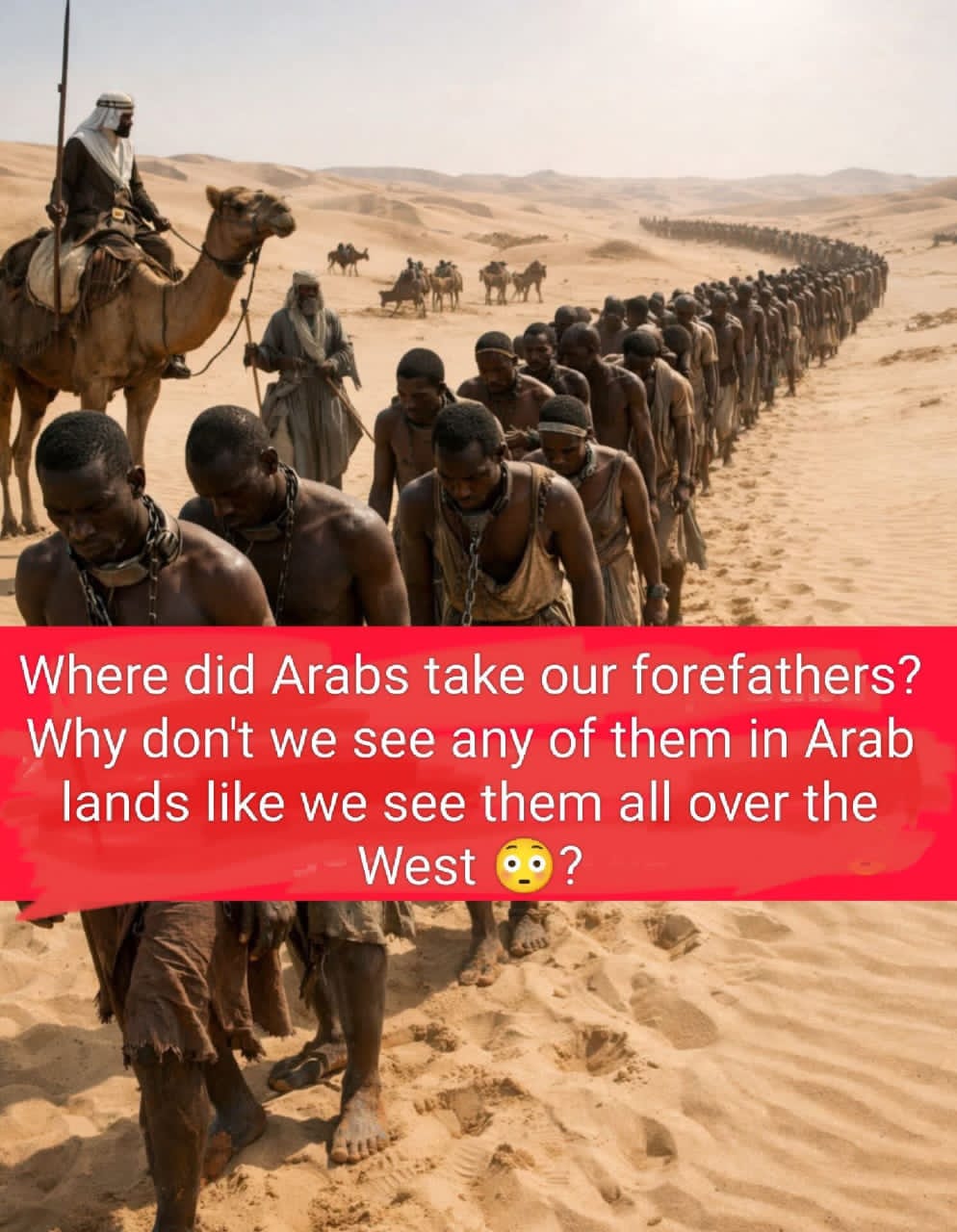
For over 1,300 years, millions of Africans- estimated between 10 to 18 million were taken across the Sahara, the Red Sea, and the Indian Ocean into North Africa and the Middle East.
This system did not just exploit African labor.
It disrupted African existence itself.
Up to 50% died during the journey across deserts and seas.
Many men were castrated, with large numbers dying in the process.
Women were absorbed into systems of concubinage.
Generations were prevented from reproducing, erasing lineage over time.
This is why today, the African presence in those regions is less visible- not because Africans were absent, but because continuity was broken.
Let us be clear:
Slavery everywhere was evil.
No system was humane.
But systems were different in structure and outcome.
In the Americas, enslaved Africans were exploited- but over time, populations grew, cultures formed, and identities endured.
In many parts of the Middle East and North Africa, slavery often operated in ways that absorbed, silenced, or erased African identity over generations.
And today, some Afro-Arab communities still exist but many remain marginalized, their history buried, their voice unheard.
This is not about competing pain.
It is about complete truth.
Africa must understand:
who took her people,
how they were treated,
and why their legacy looks different across the world.
Because until we tell the full story,
we will never fully understand our present.
We are not just descendants of slavery.
We are descendants of survival and survival has many untold stories.