Physical Address
Market Street , Kamokya KAMPALA
Physical Address
Market Street , Kamokya KAMPALA
By Akansasira Junior Victor, Researcher and Writer.
2026Global energy markets were thrown into turmoil on Monday after renewed hostilities between Israel, the United States, and Iran disrupted vital oil and gas infrastructure across the Middle East. Coordinated Israeli and U.S. strikes on Iranianstargets, followed by Tehran’s retaliation, triggered temporary shutdowns of major production facilities and sent shockwaves through global commodity exchanges.Brent crude prices jumped by as much as 13 percent in early trading, reflecting immediate fears of supply shortages.
However, the increase was slightly lower than some analysts had predicted, suggesting that markets had already priced in a degree of geopolitical risk. Despite this, traders remain cautious as uncertainty looms over the scale and duration of the disruptions.The escalation intensified after Israel reportedly struck Tehran again following earlier attacks that resulted in the death of Iran’s Supreme Leader, Ali Khamenei. The strikes have deepened regional instability, raising concerns about broader military engagement that could further destabilize energy supplies.A major flashpoint remains the Strait of Hormuz, one of the world’s most critical oil transit chokepoints. Data indicates that hundreds of commercial vessels have dropped anchor in the Gulf, either due to security concerns or operational disruptions.
Any prolonged blockage or threat to navigation through the strait could severely restrict global oil flows, as nearly a fifth of the world’s petroleum passes through this narrow waterway.Natural gas markets were equally rattled. Europe’s benchmark gas contract surged by more than 50 percent at its peak, underscoring the continent’s continued vulnerability to external supply shocks.
Since the Russia-Ukraine war, European economies have worked to diversify energy sources, yet tensions in the Middle East once again highlight the fragility of global energy interdependence.Energy analysts warn that sustained disruptions could translate into higher fuel prices worldwide, impacting transportation, manufacturing, and household energy costs. For developing economies, particularly those reliant on imported fuel, the ripple effects could include inflationary pressures and fiscal strain.While diplomatic efforts are underway behind closed doors, markets remain sensitive to every military and political development. Investors are closely monitoring shipping data, production updates, and signals from major oil producers about possible output adjustments to stabilize prices.For now, the conflict has reaffirmed a longstanding reality: global energy security remains deeply intertwined with geopolitical stability in the Middle East.
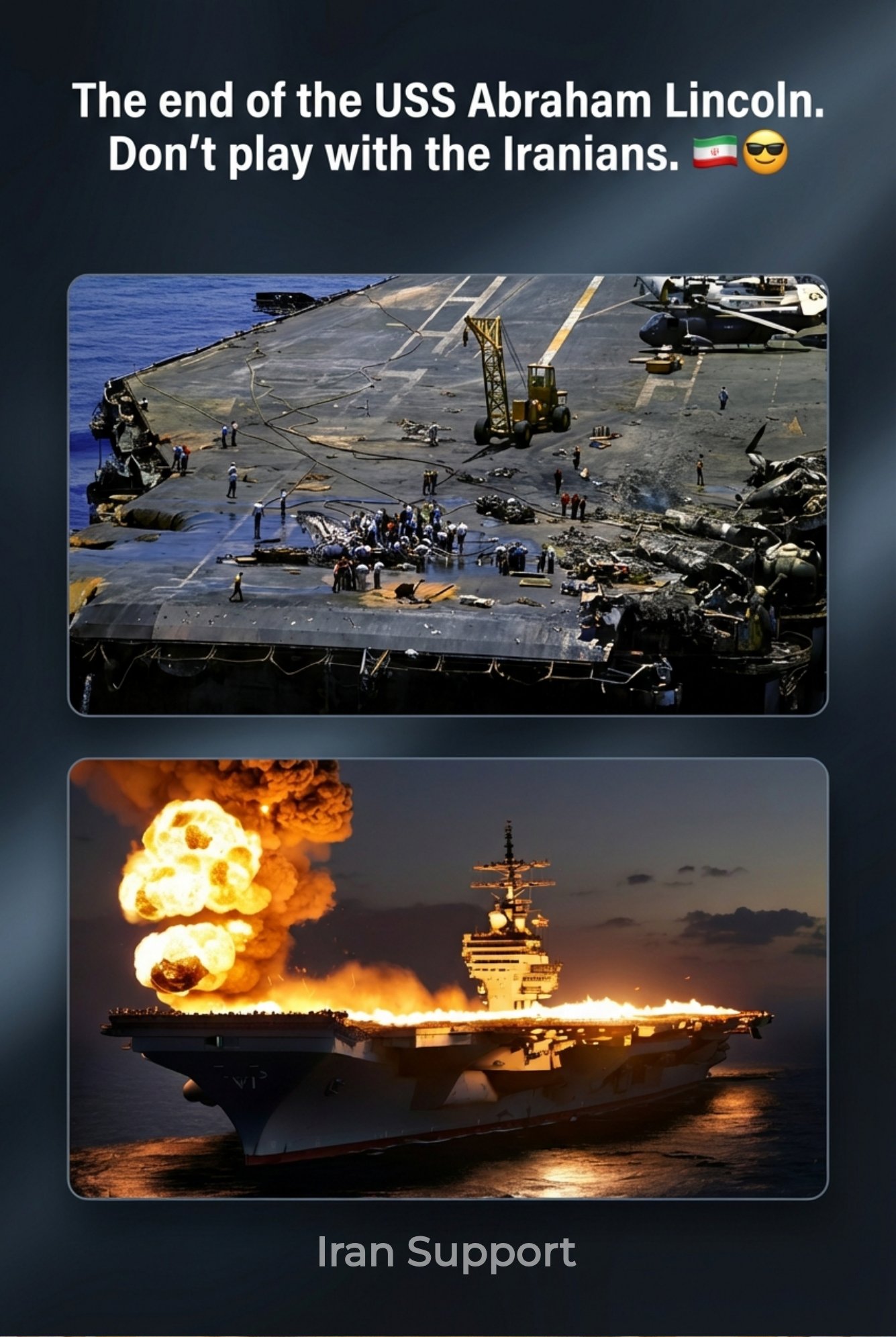
As tensions evolve, the world watches closely—aware that developments in the Gulf can swiftly reshape economies far beyond the region.
#PublicPerspective360Updates