Physical Address
Market Street , Kamokya KAMPALA
Physical Address
Market Street , Kamokya KAMPALA
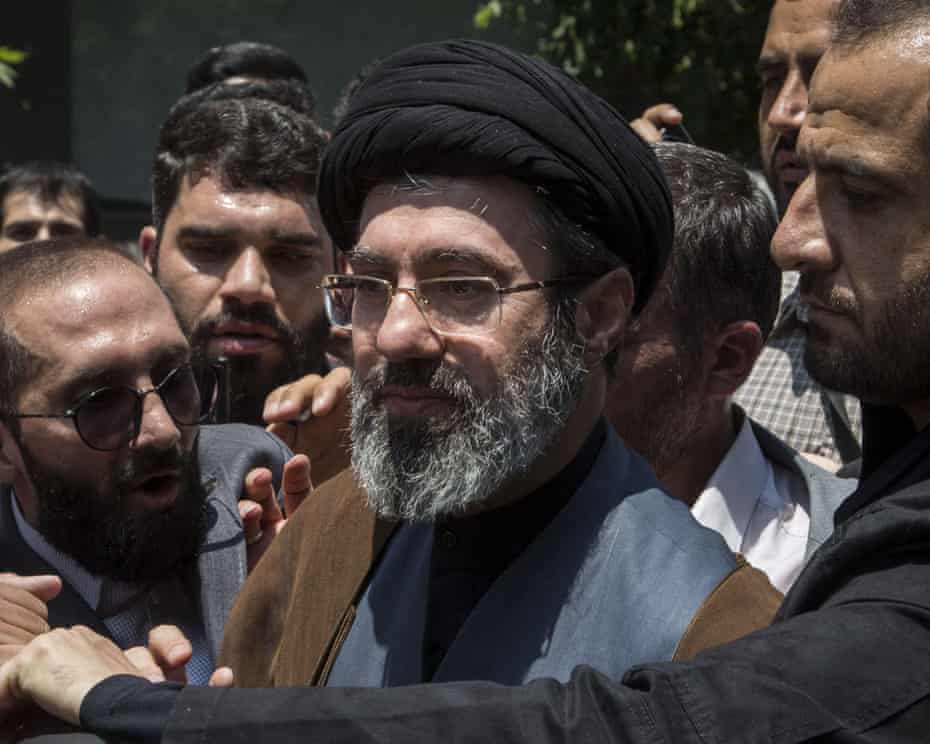
By Akansasira Junior Victor, Writer and Researcher.
The political landscape of the Middle East entered a new and uncertain phase in March,2026 following the appointment of Ayatollah Mojtaba Khamenei as the third Supreme Leader of the Islamic Republic of Iran. His elevation came after the death of his father, Ayatollah Ali Khamenei, who was reported to have been killed in a United States–Israel military strike on February 28, 2026 during escalating regional conflict. Within eight days of the assassination, Iran’s powerful Assembly of Experts, an 88- member clerical body responsible for selecting the country’s supreme leader, elected Mojtaba Khamenei through a decisive vote.
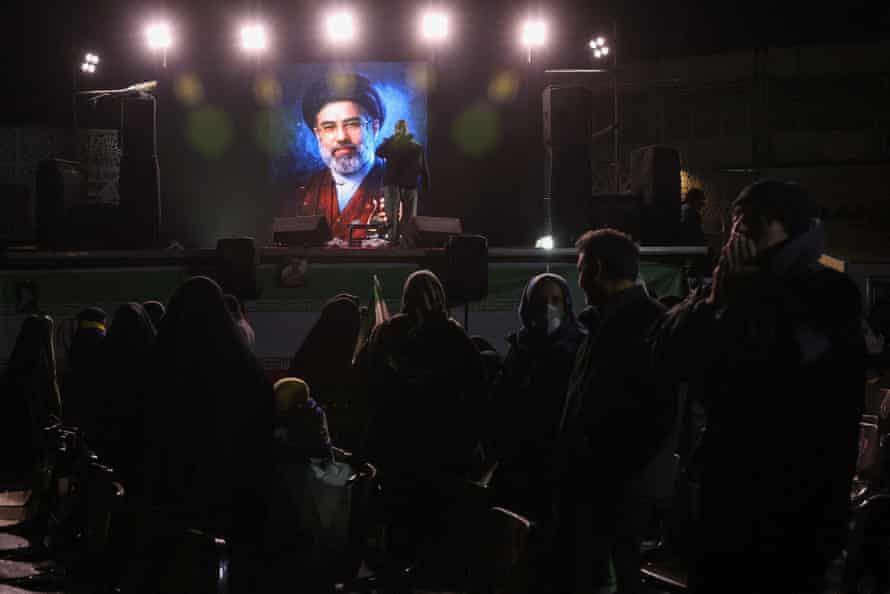
Mojtaba Khamenei, a 56-year-old cleric, had long been considered a potential successor to his father despite holding no elected office. Analysts describe him as a deeply influential but largely behind-the-scenes figure in Iran’s power structure, particularly due to his close relationship with the Islamic Revolutionary Guard Corps (IRGC) and conservative clerical networks. His rise marks a historic moment for the Islamic Republic, representing the first time leadership has passed from father to son since the 1979 Iranian Revolution that overthrew the monarchy. The transition occurs during one of the most volatile periods in Iran’s modern history. The ongoing conflict involving Iran, the United States, Israel, and several Gulf states has already produced significant casualties and economic disruptions across the region. Reports indicate that at least 940 Iranians and several U.S. service members had been killed in the initial stages of the conflict, while missile exchanges and air strikes continue across multiple fronts. The war has also destabilized global energy markets, pushing oil prices close to $120 per barrel amid fears of disrupted supply routes through the Strait of Hormuz.
Iranian authorities portray Mojtaba’s appointment as a symbol of resilience and ideological continuity. Government officials and military leaders swiftly pledged allegiance to the new supreme leader, emphasizing that Iran would not retreat from what it considers a defensive struggle against foreign aggression. State media and conservative factions framed the succession as a “new phase” of resistance and national unity in the face of external pressure. International reactions to Mojtaba Khamenei’s leadership have been sharply divided. Western leaders have expressed skepticism about his experience and political legitimacy, while Russia signaled strong support. Russian President Vladimir Putin publicly pledged that Moscow would remain a “reliable partner” to Iran during the unfolding geopolitical crisis. This endorsement highlights the strategic alliances forming around Iran as tensions reshape the global balance of power.
Domestically, Mojtaba Khamenei inherits a nation of nearly 89 million people facing economic hardship, international sanctions, and political polarization. Iran’s economy has been strained by years of sanctions targeting its oil exports, financial sector, and nuclear program. Yet despite these pressures, Iran remains a major regional power with one of the Middle East’s largest armed forces and a sophisticated missile and drone program. Analysts argue that Mojtaba’s leadership will determine whether Iran pursues confrontation or strategic recalibration in the coming decade. Many observers believe Mojtaba Khamenei could become a game changer in Iran’s political trajectory. His strong ties with the Revolutionary Guards and hard-line clerical networks suggest he may consolidate power more tightly than previous leaders. Supporters argue that such consolidation could strengthen Iran’s strategic posture in the Middle East, particularly as regional rivalries intensify. Critics, however, warn that a more hard-line approach may deepen international isolation and prolong conflict with Western powers.
Ultimately, Mojtaba Khamenei’s rise symbolizes a defining moment for Iran and the broader Middle East. As the third supreme leader since the Islamic Republic’s founding in 1979, he carries the legacy of revolutionary ideology while confronting unprecedented geopolitical challenges. Whether his leadership ushers in renewed confrontation or strategic transformation remains uncertain. What is clear, however, is that the “battle must continue” narrative now defines Iran’s political direction as the nation enters a new era under Mojtaba Khamenei’s command.