Physical Address
Market Street , Kamokya KAMPALA
Physical Address
Market Street , Kamokya KAMPALA
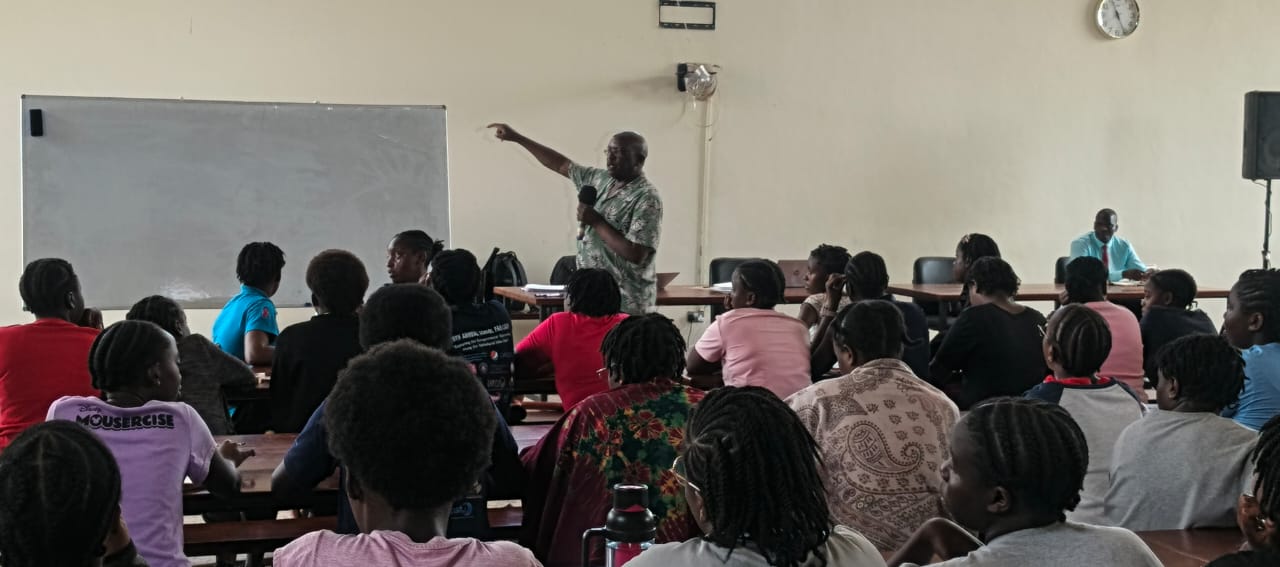
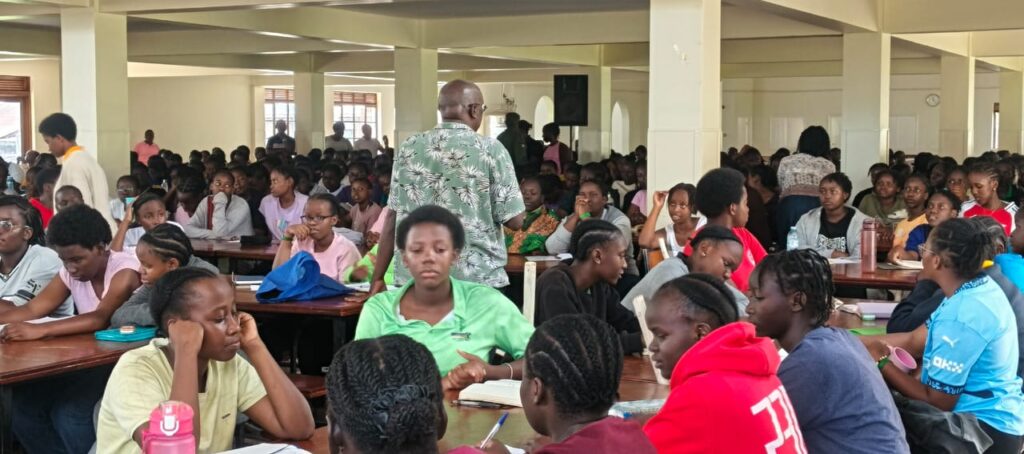
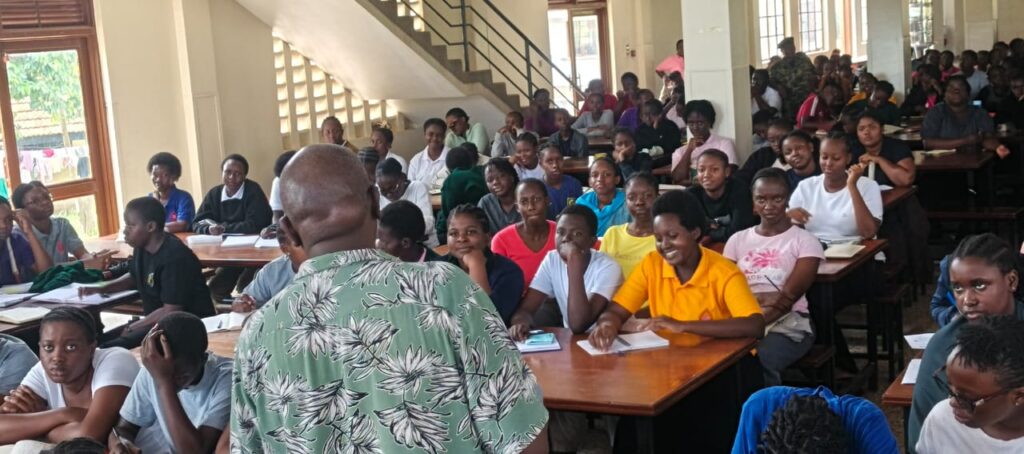
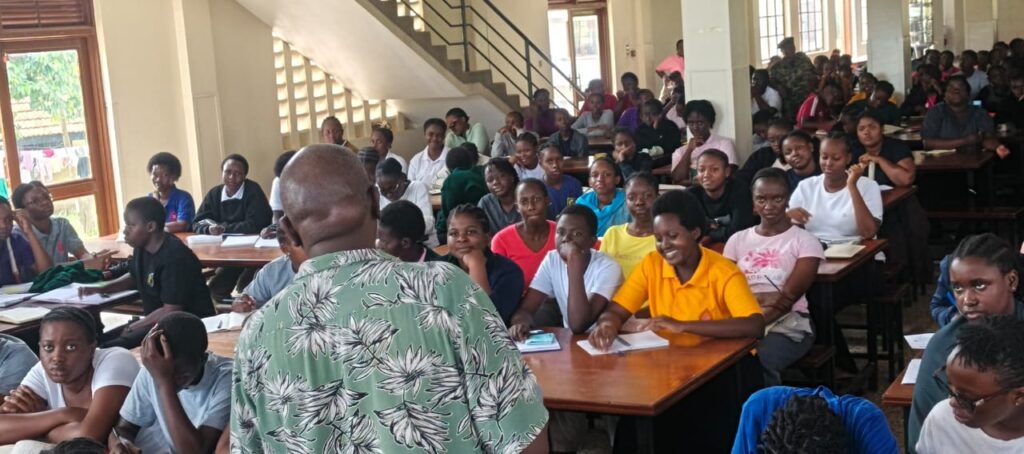
Afande Jonah Jackson Bakalikwira delivered a compelling and deeply reflective session on nation building, ideological clarity, and the role of young people in shaping Uganda’s future. Speaking to students at Gayaza High School, he emphasized that for any society to grow, it must return to its foundations, its values, its history, and its shared national identity.
He cautioned that one can be youthful yet contribute nothing to the country, noting that many young people have perished because of wrong ideology and misguided influences.
Understanding Our Role in Nation Building
Afande JJ reminded the students that nation building is a collective responsibility. Every citizen, regardless of age, has a role to play. Drawing from the “We Young Women and Men of Uganda” anthem the students had just sung, he affirmed that they deserve a better Uganda, one with quality education, good roads, strong health systems, and opportunities for all.
He challenged them to reflect on the meaning of the anthem, noting that if young people truly understood its message, they would not be easily swayed into drugs, crime, or negative behavior.
The National Anthem as a Guide to National Identity
Using the Uganda National Anthem as a teaching tool, Afande JJ took the students through its lines “precept upon precept, line upon line.”
He emphasized that the anthem is not merely a song but a national symbol that calls Ugandans to unity, responsibility, and service.
He stressed that there is no justification for divisions based on tribe, religion, or sectarianism. Uganda’s strength lies in its unity.
Confronting Corruption and Upholding Integrity
Afande JJ encouraged students to speak out against corruption, reminding them that their voices matter.
With young people making up 78% of Uganda’s population, he said the future of the country literally rests in their hands.
Nation building, he noted, is not for the fainthearted, but for a generation that is serious, resilient, and committed to progress.
Three Things Every Ugandan Must Understand
1. Understand what Uganda is – its identity, history, and aspirations.
2. Understand what is abundant in Uganda – its natural and human resources.
3. Understand yourself as a key resource – your potential, skills, and responsibility.
What Is the Uganda We Want?
Afande JJ invited the students to envision the Uganda they desire. Their responses included:
- A poverty‑free Uganda
- Equal rights and accessible health services
- Quality education
- A united nation
- A crime‑free Uganda with free movement
- Good infrastructure and roads
- A corruption‑free society
- A clean environment
- A democratic Uganda
- An industrialised nation
- A patriotic Uganda
- A Uganda where citizens appreciate their country
Understanding Historical Distortions
He reminded the students that Uganda cannot be developed without understanding the historical distortions caused by colonialism, including tribal divisions and an education system designed to serve colonial interests.
He read the Uganda Vision 2040 statement – “A Transformed Ugandan Society from a Peasant to a Modern and Prosperous Country within 30 years”, explaining that a peasant class is easily manipulated, and transformation requires knowledge, awareness, and empowerment.
The Constitution as a Commitment to a Better Future
Afande JJ highlighted the struggles Uganda has endured under tyranny and emphasized that the Constitution commits all Ugandans to building a better, more just, and more prosperous nation.
Principles That Support National Development
1. Unity – Loving your neighbour as yourself.
2. Peace
3. Equality
4. Democracy – Allowing citizens to freely choose their leaders.
5. Freedom – Including freedom of speech and media.
6. Social justice
7. Progress
He reminded the students that nation building has no age limit.
The Four Ideological Principles for National Development
1. Patriotism
2. Pan‑Africanism
3. Democracy
4. Socio‑Economic Transformation
These principles, he said, are the pillars upon which Uganda’s future must be built.